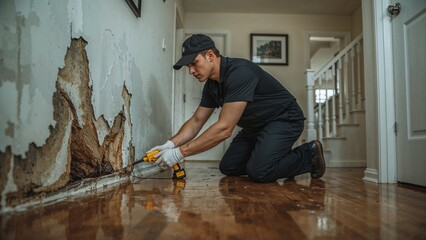
Water damage is a serious problem that can compromise the structural integrity of your home and create dangerous health hazards. It’s important to recognize warning signs like bubbling paint, musty odors, and warped floors, so you can get professional help immediately.
Class 1 water damage involves relatively clean water from recent events like burst pipes. But hidden pockets of water can linger behind walls and under floorboards. Contact Water Damage Remediation Salt Lake City to learn more.
Visible Structural Damage
Seeing water pooling on the floor, running down walls, or soaking into carpets is a clear sign you need to call in professional restoration experts. It’s also a clear indicator that the problem will only get worse if left untreated. Standing water leads to structural weakening and encourages the growth of bacteria, which in turn can cause mold. These problems can be extremely difficult and expensive to fix once they reach advanced stages.
Water damage can often hide behind walls and under floors where it slowly deteriorates wood framing, corrodes metal fasteners, and degrades concrete. By the time visible signs of water damage appear, structural damage may already be extensive. Professional water damage restoration services can identify and repair the underlying problem to prevent future problems.
Early action to address water damage also saves money. It protects the property, safeguards the structure’s integrity, and ensures a healthy environment. Water damage restoration professionals can quickly and affordably restore and repair drywall, flooring, furniture, and other affected materials.
Stains and odors are another common indicator of water damage that should not be ignored. Unsightly water stains on walls and ceilings often develop as a result of hidden leaks or condensation, especially in South Florida’s humid climate. These stains and odors can be indicative of more serious problems such as mold, rust, and structural damage.
Unexplained sagging ceilings and walls are another sign that you need to call in a water damage restoration expert immediately. Water saturation can cause drywall and other materials to sag and break down, leading to severe structural damage that requires expensive repairs.
Unexpected increases in your water bills are another warning sign that you need to seek professional help. These increases can indicate a hidden water leak that is causing significant damage to your home.
Cracks in walls and ceilings are a clear indication that you need to call in a professional water damage restoration expert. These cracks can be caused by flooding, heavy rains, and even plumbing leaks. They can also be caused by shifting soil or structural weakness. If the cracks are extending rapidly or are diagonal, it is important to consult with a structural engineer immediately.
Unusual Utility Bills
A sudden, unexplained increase in your water bill may be a sign of a hidden leak. Even a small leak from a dripping toilet or pinhole pipe can waste dozens of gallons of water in a single billing cycle, so it’s important to catch these issues early on. Leaking water can also cause unsightly stains on walls, ceilings, and floors. These areas are often damp or spongy to the touch and may have a musty odor. It’s best to address these issues quickly, before the problem escalates into structural damage. Contact JG Restoration to schedule a professional inspection of your home or business today! We offer fast, affordable, and reliable services throughout Fort Lauderdale. We’ll take care of any water damage and prevent further damage to your property.
Mold or Mildew Growth
If you see mold or mildew growing on the surface of your walls, doors, ceilings, or floors, it is likely indicative of a hidden leak. Both mildew and mold are fungi that grow in dark, damp places where there is excessive moisture. Mold spores can also spread quickly, causing even more damage to your home.
While some people use the terms mildew and mold interchangeably, it is important to understand that the difference between the two is significant. Mildew is a specific type of fungus that often appears white or gray in color and has a powdery texture. It typically grows in a flat pattern, unlike mold, which has a raised texture and can appear black, blue, green, or yellow.
A musty or earthy smell is another telltale sign of mold or mildew growth. The odors are produced by microbial volatile organic compounds that are released into the air as the mold or mildew grows. These odors are not only unpleasant to live with but can also be dangerous for your health, especially if you have respiratory issues or allergies.
If you have a musty smell and visible signs of water damage, it is important to call a professional right away. Left untreated, water damage can lead to a host of problems including structural damage, mold growth, and severe damage to your property value. It is critical to act fast, as water damage can cause serious damage in just 24-48 hours.
Water stains are one of the first indicators of water damage in a home or business. Stains on ceilings and walls are often caused by water pooling and seeping into porous materials like drywall or wood. Water stains can also indicate a serious problem, such as a hidden leak or extensive mold growth.
While it is important to perform limited emergency mitigation when possible, such as wiping up standing water and moving furniture to dry areas, major cleaning should be left to a professional. Doing so helps ensure that all damaged surfaces are completely dry, preventing further damage and potential health problems.
Unusual Odors
Water damage can lead to a variety of issues and health problems if left unattended. From mold growth to structural damage, identifying the warning signs and responding quickly can save homeowners costly repairs and prevent long-term health risks.
Visible stains or discoloration on walls, ceilings, and floors can indicate a hidden leak that needs to be addressed. Often, these areas feel damp to the touch but may dry out on their own if caught early. If the area remains wet for long periods of time, the moisture can weaken building materials, promote mold growth, and create a favorable environment for bacteria to thrive in.
A musty odor that permeates a home’s interior is another indication of serious water damage. The smell is caused by the breakdown of microbial volatile organic compounds produced by mold and mildew. This odor can spread throughout the house and cause discomfort for anyone who is sensitive to it.
Peeling paint or wallpaper is also a common sign of water damage. It can be a result of moisture behind the wall or it could be a sign that the wood behind the surface is rotting and needs to be replaced. If you notice these symptoms, make sure to check nearby areas like under cabinets and behind plumbing fixtures for the source of the problem.
Another telltale sign is a higher than normal utility bill. Even a small leak can cause an unexpected increase in your water bill, so it’s important to know how to spot these issues as soon as possible. If you have a meter near your water source, checking it before and after a two-hour period when you’re not using any water can help identify the source of the problem.
The best way to protect your home from water damage is to perform regular maintenance, such as cleaning gutters and downspouts, replacing deteriorating caulking, and ensuring that appliances are properly sealed. In addition, performing professional plumbing inspections every one or two years can catch minor leaks and reduce the risk of a major issue down the road.