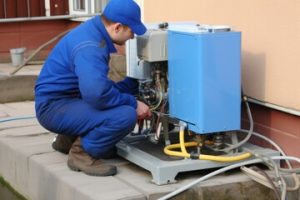
HVAC Contractor California has honed its skills over years of hands-on work. Their expertise translates to quality workmanship and reliable service.
HVAC systems involve complex, sensitive components such as electrical connections, pressurized refrigerants, and airflow dynamics. Improper repairs and installation can lead to safety hazards, costly energy bills, or premature system failure.
Experienced Technicians
When a problem arises with your HVAC system, it’s essential to have qualified and professional technicians available to quickly diagnose the issue and repair it. This prevents costly errors that could be caused by trying to fix a system without the proper training or equipment, and helps ensure your HVAC equipment is running at peak performance for years to come.
Professional technicians will also be familiar with industry trends and new technology that can improve efficiency and performance. This allows them to recommend upgrades that can help reduce energy costs and meet environmental standards.
A quality HVAC contractor will have a dedicated safety program, and will always follow industry standards and protocols to protect themselves and their customers. This is an important indicator that they prioritize both worker and customer safety, and will provide you with peace of mind that your system will be installed or repaired correctly the first time.
Hiring a licensed and insured contractor will also ensure that you are covered in the event of any accidents or damages that may occur during work. In addition, a reputable HVAC company will stand by their work and offer warranties on parts and labor, which is an excellent way to show that they trust the work they do.
Lastly, you want to hire a company that takes the time to communicate clearly with their customers. This includes providing updates about scheduling, project progress, and other relevant information. This eliminates misunderstandings and keeps everyone on the same page. It’s also helpful to hold regular performance reviews, which can be used to reward great work and offer guidance on areas where improvements can be made.
Quality Workmanship
Workmanship is the skill, care, and attention to detail that construction professionals bring to their projects. It impacts project outcomes, client satisfaction, and a construction company’s reputation in the industry.
HVAC systems are intricate and require specialized knowledge to install, maintain, and repair. HVAC contractors have extensive training and hands-on experience, making them able to identify problems and provide effective solutions in a timely manner. This also allows them to perform repairs without compromising your safety or home’s integrity.
When choosing an HVAC company, check online reviews and testimonials to see what other customers have to say about the company’s quality of workmanship. Look for recurring themes in positive feedback, like punctuality, professionalism, and customer service. A reliable HVAC contractor should provide a straightforward and itemized estimate before performing any work.
A reputable HVAC contractor understands that each home is unique and will require an on-site assessment before offering recommendations. They will never offer a one-size-fits-all solution and will tailor their services to your specific needs, including the type of heating and cooling equipment, layout, energy consumption, and budget.
Regular maintenance by an experienced HVAC contractor can help your system operate at peak efficiency and reduce your utility bills. This can also extend the lifespan of your HVAC equipment and reduce the need for expensive repairs. It is a smart investment that will ensure your home remains comfortable throughout the year.
Licensed and Insured
Few systems in your home are as important or as complex as the heating, ventilation and air conditioning (HVAC) system. It’s tempting to try DIY solutions or hire unlicensed contractors in order to save money, but doing so can cost you far more in the long run. Licensed HVAC professionals are trained to do the work correctly and safely, preventing costly errors that can lead to frequent repairs and higher energy bills.
Choosing a licensed contractor also ensures that your job meets local and national building codes, and that any warranties you may have on your equipment will remain valid. In addition, an insured contractor protects you from any financial liability in the event of damage or accidents that occur during the project.
An experienced, licensed contractor will be able to provide you with detailed pricing that includes all labor and materials costs upfront. This can help you avoid hidden fees or surprise expenses down the road and allow you to budget your project accordingly. A trustworthy contractor will also be willing to answer any questions you might have and be available to address your concerns.
An experienced HVAC contractor will be able to assess your energy needs and recommend upgrades that improve efficiency and reduce utility bills for years to come. They can advise on which energy-saving models will best meet your needs, and how to properly size your system for optimal performance. They can also assist with obtaining a tax credit for energy efficient equipment or a rebate from your local utility company. Lastly, they can recommend post-installation maintenance to keep your system in top condition. This will prevent inefficient operation and extend its lifespan.
Trusted Partners
A trusted HVAC partner will take the time to understand your specific heating and cooling needs. They will then provide tailored solutions that align closely with your requirements, delivering greater efficiency and comfort.
Licensed contractors are familiar with the local codes and regulations that govern HVAC installation, repair, and maintenance. This enables them to ensure that all work is compliant with the regulations, preventing future legal issues and guaranteeing that the work is of high quality.
HVAC repairs often involve delicate components such as electrical wiring and gas lines. Incorrect handling of these components can put your safety at risk, potentially leading to carbon monoxide poisoning or fires. Licensed professionals adhere to strict safety standards and practices, protecting you and your property from harm.
Professional HVAC services offer a comprehensive range of benefits, from ensuring the right system size and proper installation to improved energy efficiency, reduced repair costs, and better indoor air quality. These services are a smart investment that will pay off for years to come.
When you hire a reputable local contractor, you’re supporting the community by keeping jobs in the area. This bolsters the economy and fosters artisanship, job growth, and economic stability. Many HVAC service providers also support the community through charity events and initiatives, demonstrating a commitment to societal improvement.
A trustworthy and experienced local HVAC contractor will provide clear and transparent pricing for all services. They will also offer warranties on their workmanship and parts, safeguarding you against unforeseen expenses. They will also be happy to answer any questions you might have about their work or costs. Ultimately, they will build trust with their clients by providing a positive experience that improves the performance and reliability of their HVAC systems.
Peace of Mind
It’s no secret that HVAC systems are complex, with many different components working together to create a comfortable and efficient indoor environment. When something goes wrong, it’s important to enlist the services of an experienced and qualified contractor. Doing so ensures that the issue is diagnosed correctly and efficiently, saving you money in repair costs and energy bills in the long run.
Experienced contractors also know how to properly handle and install systems, ensuring their work meets strict safety standards. This is vital because these systems often contain electrical connections and refrigerants that could pose a risk to a home’s occupants if not handled correctly. This attention to detail helps prevent malfunctions and repairs, and reduces the risk of potential legal issues or home insurance claims in the future.
Finally, HVAC contractors are familiar with the latest advances in heating, cooling, and ventilation technologies that can offer significant energy savings. They can recommend upgrades or replacements that will improve your system’s performance while reducing your monthly energy bills. This can significantly cut your utility expenses and help you reduce your carbon footprint.
Choosing an HVAC contractor with several years of experience gives you the peace of mind that comes from knowing they’ve encountered and successfully resolved a wide range of issues. Their expertise, training, and dedication to quality service give you confidence that they’ll provide a professional installation or repair, and do so in an ethical and cost-effective manner. They’re also licensed and insured, giving you added peace of mind that they will treat your home with the care it deserves. For these reasons and more, a professional HVAC contractor is the best choice for your home’s comfort and reliability.
Visit our Professional Services Blogs
Courtney Roberts Home, All Portland, Edward Lower Accounting, Trade Link Media Communications, Airconditioning Xperts, Clear Remediation, Deck Garden Furniture, Best Heating And AC Repair Covington WA, Absolute Heating And AC Repair Glendale, Trendy Mobile Designs, Kendall Lakes Tree Care, Palmetto Bay Tree Care, Jersey City Family Law Firm